
How to Prepare for Nursing Job Interviews
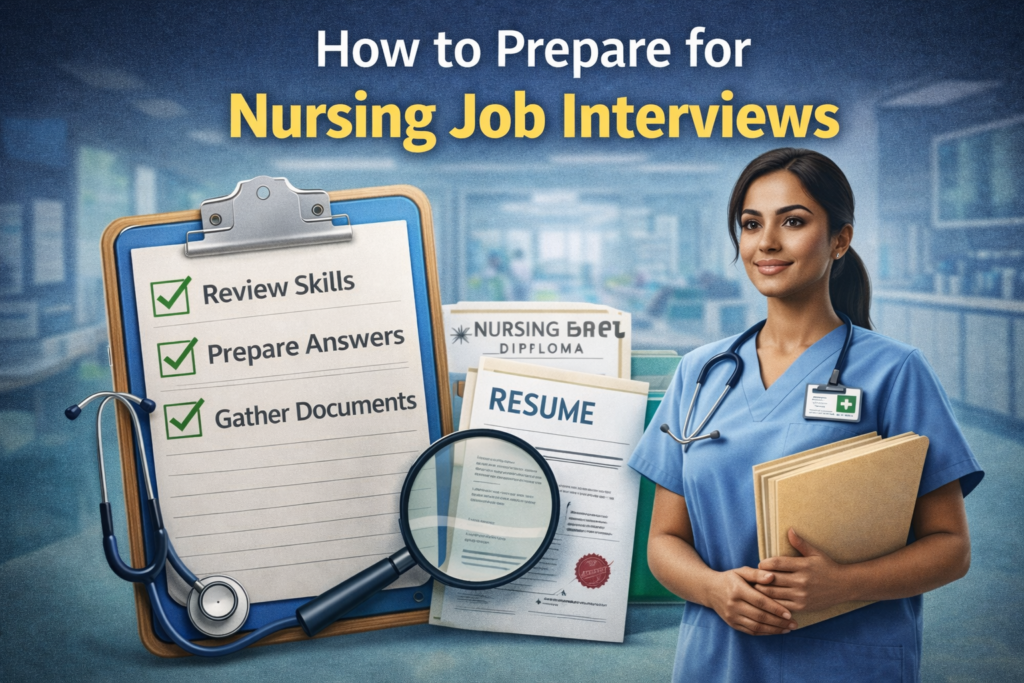
Nursing job interviews can be challenging, especially in competitive healthcare institutions where professional standards are high. Hospitals, medical universities, and government healthcare departments look for nurses who are clinically competent, emotionally balanced, and capable of delivering quality patient care under pressure.
Whether you are applying for a staff nurse position, nursing instructor role, or a government healthcare job, proper interview preparation can greatly improve your chances of success. This guide explains how to prepare for nursing job interviews in a practical and professional way, focusing on knowledge, communication, documentation, and confidence.
Understanding What Interview Panels Look for in Nurses
Nursing interviews are not limited to academic qualifications. Interview panels assess a candidate’s overall suitability for clinical and professional responsibilities. This includes clinical skills, ethical judgment, communication ability, teamwork, and attitude toward patient care.
Government and institutional interviews often involve a panel that may include senior doctors, nursing administrators, and human resource representatives. Each member evaluates different aspects of your personality and competence, so balanced preparation is essential.
Reviewing Your Nursing Knowledge and Clinical Skills
Before attending an interview, it is important to revise your core nursing subjects. You should be comfortable discussing basic nursing procedures, patient safety protocols, infection control measures, medication administration, and emergency response practices.
Interviewers may ask scenario-based questions to assess how you handle real-life clinical situations. Preparing examples from your clinical training or work experience helps you answer confidently and clearly.
Researching the Organization or Department
One of the most common mistakes candidates make is attending interviews without researching the organization. Understanding the hospital, institute, or department shows seriousness and professionalism.
If you are applying for government-sector healthcare roles, reviewing related recruitment opportunities such as
Ministry of Defence Jobs 2026
can help you understand how government departments structure their hiring processes and expectations.
Preparing Required Documents in Advance
Proper documentation plays a crucial role in nursing interviews. Candidates should prepare a complete and organized file containing educational certificates, nursing diplomas or degrees, professional registrations, experience letters, and CNIC copies.
Government and public-sector interviews often require verification of documents. Keeping originals and attested copies ready demonstrates professionalism and saves time during the interview process.
Practicing Common Nursing Interview Questions
Practicing common interview questions helps reduce anxiety and improves clarity. Interviewers may ask about your motivation for choosing nursing, how you handle stressful situations, or how you ensure patient safety.
Answering honestly while maintaining a professional tone is important. Avoid memorized responses and instead focus on explaining your approach, experience, and commitment to nursing ethics.
Demonstrating Communication and Patient Care Skills
Communication is a key skill in nursing. Interview panels often observe how clearly you speak, how well you listen, and how respectfully you respond. Good communication reflects your ability to interact with patients, families, and healthcare teams.
Using clear language, maintaining eye contact, and responding calmly to questions creates a positive impression. Showing empathy and professionalism in your responses highlights your suitability for patient-centered care.
Understanding Ethical Responsibilities in Nursing
Ethics play a vital role in nursing practice. Interviewers may ask questions related to confidentiality, patient rights, or professional conduct. Your answers should reflect respect for ethical guidelines and institutional policies.
Government healthcare institutions, in particular, value nurses who demonstrate discipline, integrity, and adherence to official procedures.
Dressing Professionally for the Interview
Professional appearance creates a strong first impression. Candidates should dress modestly and neatly, following professional standards appropriate for healthcare settings. Clean attire, simple grooming, and a confident posture reflect seriousness and respect for the interview process.
For government interviews, conservative and formal dress is generally preferred.
Managing Stress and Building Confidence
Feeling nervous before an interview is normal, but managing stress is essential for effective performance. Proper preparation, adequate rest, and a positive mindset help build confidence.
Arriving early at the interview venue allows you time to relax and focus. Confidence grows when you are well-prepared and organized.
Following Up After the Interview
After the interview, candidates should remain patient and continue monitoring official announcements or communication channels. Government and institutional hiring processes may take time, so avoiding repeated follow-ups is advisable unless instructed otherwise.
Using the waiting period to continue skill development or explore other relevant opportunities can be beneficial.
Final Thoughts
Preparing for nursing job interviews requires a combination of knowledge, professionalism, and confidence. Understanding interview expectations, revising clinical skills, organizing documents, and practicing communication can significantly improve your performance.
By following these preparation steps, nursing candidates can approach interviews with clarity and confidence, increasing their chances of securing positions in both government and private healthcare institutions.